
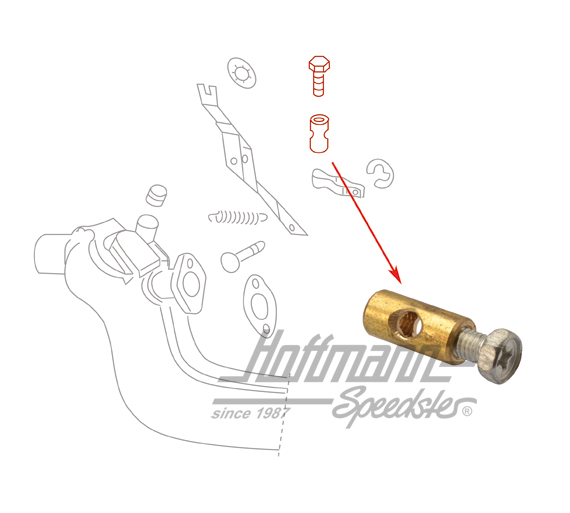
Ready for immediate shipment, delivery time: 1-3 days, abroad + bulky goods longer delivery time
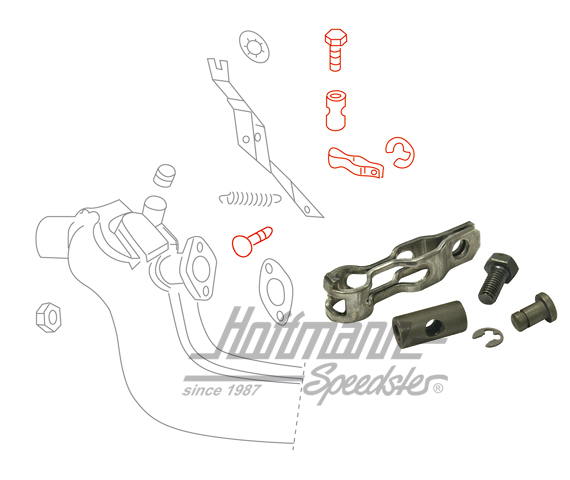
Ready for immediate shipment, delivery time: 1-3 days, abroad + bulky goods longer delivery time
Ready for immediate shipment, delivery time: 1-3 days, abroad + bulky goods longer delivery time
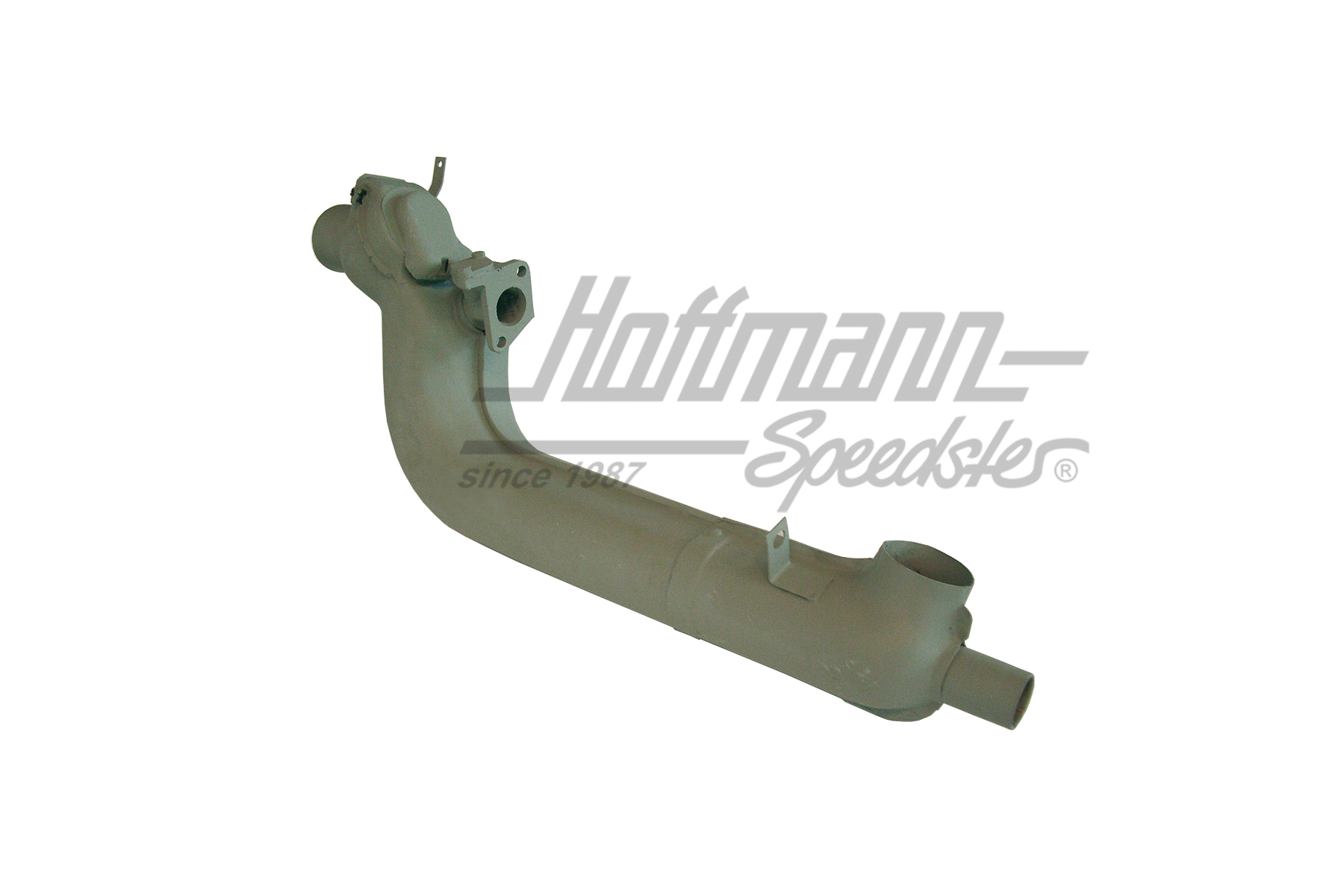
Ready for immediate shipment, delivery time: 1-3 days, abroad + bulky goods longer delivery time
Ready for immediate shipment, delivery time: 1-3 days, abroad + bulky goods longer delivery time
Ready for immediate shipment, delivery time: 1-3 days, abroad + bulky goods longer delivery time
Ready for immediate shipment, delivery time: 1-3 days, abroad + bulky goods longer delivery time
Ready for immediate shipment, delivery time: 1-3 days, abroad + bulky goods longer delivery time
Ready for immediate shipment, delivery time: 1-3 days, abroad + bulky goods longer delivery time
Heater for the Typ 3
Heating and ancillary parts for the VW Type 3 – when warmth becomes part of a living classic
The Volkswagen Type 3 is a vehicle that doesn’t hide its mechanics – it celebrates them. Every sound, every vibration, every airflow is part of a driving experience that feels direct and honest. Among these systems, the heating setup plays a surprisingly emotional role. It transforms a simple drive into a comfortable journey, even on cold days. That is why heating and ancillary parts for the VW Type 3 are essential to keep this classic not only functional, but truly enjoyable.
Why the heating system is more than just comfort
In modern cars, heating is expected. In a VW Type 3, it is something you feel working. The system relies on engine heat and mechanical airflow, without digital control or electronic regulation. It is raw engineering – and that is exactly its charm.
To keep this system alive, every detail matters. Worn seals, leaking ducts or stuck flaps can quickly turn warm air into a weak breeze. High-quality heating and ancillary parts for the VW Type 3 ensure that this chain of warmth remains complete from engine to cabin.
How the VW Type 3 heating system creates warmth
The system is built around a simple but effective principle: engine heat is captured, redirected, and delivered into the interior through a network of channels.
The main components include:
heat exchangers mounted near the engine
air distribution channels running through the chassis
heater flaps controlling airflow direction
mechanical control levers and cables
sealing elements preventing heat loss
Each element depends on the others. If one part weakens, the entire system loses efficiency.
Heating and ancillary parts for the VW Type 3 – the hidden heroes of the system
While heat exchangers often get attention, the smaller ancillary parts are what keep everything sealed, controlled, and properly directed.
Important components include:
rubber seals for heating ducts and connections
air hoses and flexible tubing
clamps, brackets, and mounting hardware
control cables and linkage elements
insulation pieces and air guides
flap seals and adjustment components
These parts may look minor, but they determine how much warmth actually reaches the cabin.
When the heating system shows its age
Over time, a classic VW Type 3 may reveal typical signs of wear in the heating system:
uneven or weak heating performance
cold air despite warm engine temperature
fogged windows that do not clear properly
unpleasant odors from old or leaking components
stiff, loose, or unresponsive heater controls
visible air leaks around ducts or connections
These symptoms often point directly to aging heating and ancillary parts for the VW Type 3.
A driving experience shaped by mechanical warmth
There is something special about the way a VW Type 3 warms up. It is not instant, not artificial – it is gradual, mechanical, and almost alive. As the engine reaches temperature, warmth slowly finds its way into the cabin through ducts and vents.
This experience connects driver and machine in a way modern systems rarely do. It is part of the charm that makes the VW Type 3 more than just transport.
When replacement becomes necessary
Because the system relies on airflow and sealing, even small defects can have a big impact. Typical aging issues include:
brittle or cracked air hoses
heat exchanger wear or leakage
seized heater flaps
perished rubber seals
stretched or broken control cables
reduced airflow due to internal restrictions
Replacing these components restores the system’s original efficiency and ensures reliable heating performance.
VW Type 3 – balance between engineering and emotion
The VW Type 3 only works as intended when all systems operate in harmony. The heating system is closely linked to engine temperature, airflow routing, and cabin comfort. If one element fails, the entire experience changes immediately.
Heating and ancillary parts for the VW Type 3 – keeping the classic warm, authentic, and alive
Whether during a full restoration or targeted maintenance, this category is essential for preserving both function and feeling.
The heating and ancillary parts for the VW Type 3 do more than restore airflow – they preserve a driving experience where warmth is not just a setting, but a mechanical story unfolding with every kilometer.