
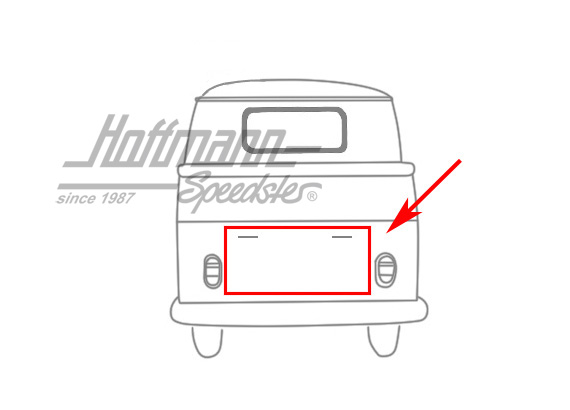
Ready for immediate shipment, delivery time: 1-3 days, abroad + bulky goods longer delivery time
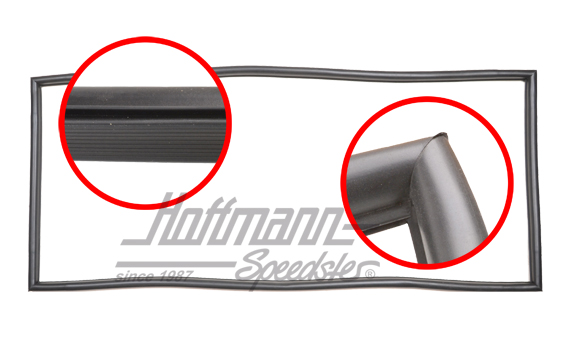
Ready for immediate shipment, delivery time: 1-3 days, abroad + bulky goods longer delivery time
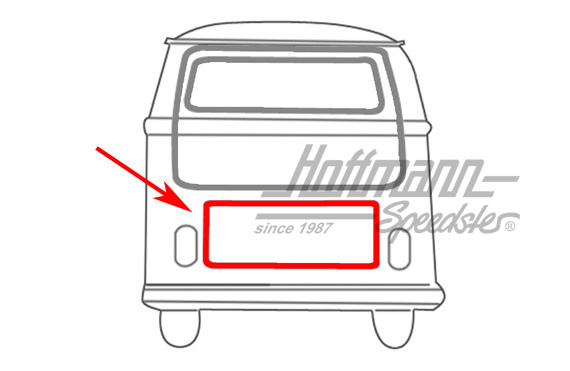
Ready for immediate shipment, delivery time: 1-3 days, abroad + bulky goods longer delivery time
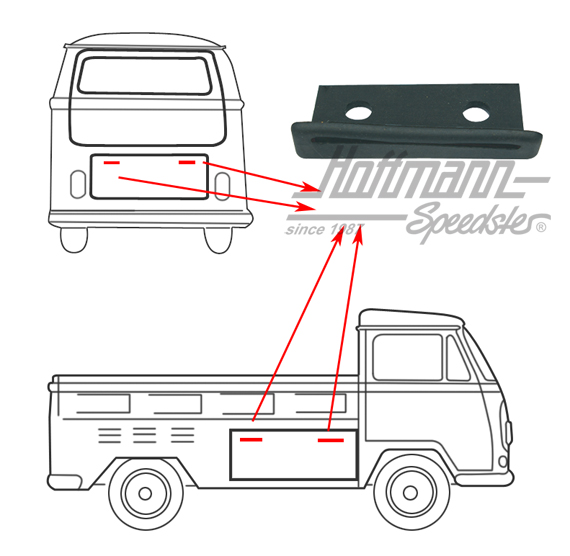
Ready for immediate shipment, delivery time: 1-3 days, abroad + bulky goods longer delivery time
Engine flap seals for the Bus
Engine lid seals for your VW Bus T2: reliable sealing around the engine compartment
Engine lid seals perform an important task on the VW Bus T2 around the rear engine lid. They seal the transition between the engine lid and the adjacent bodywork and help keep dirt, splash water and other external influences away from the intended area. At the same time, a correctly fitting seal helps the lid sit neatly against the body. Especially on a classic vehicle, older rubber profiles can gradually lose their original elasticity. The engine lid seal should therefore be considered both during regular inspections and as part of a restoration.
Why are engine lid seals important on the VW Bus T2?
The engine lid forms a direct transition between the body and the engine compartment. The engine lid seal on the VW Bus T2 closes this area along the intended contact surface. If the rubber profile is damaged, hardened or no longer correctly positioned, it can only perform its sealing function to a limited extent. Dirt and moisture can then reach areas more easily that are better protected by an intact seal. At the same time, an evenly seated profile supports the correct positioning of the engine lid. Areas around hinges and transitions should also be included during inspection. An intact engine-compartment seal is therefore a useful part of maintaining and caring for the rear body area.
When should I inspect or replace engine lid seals?
The condition of an engine lid seal can initially be assessed through careful visual and manual inspection. Cracks, porous surfaces, hardened rubber or permanent deformation are typical indications of aged material. Also check whether the seal sits evenly along its entire path or whether individual sections have become detached. Damaged corners and transitions can likewise impair the sealing of the engine lid. If the engine lid or an adjacent component is removed during restoration, this provides a good opportunity to inspect the existing sealing profile more closely. An old seal should not continue to be used solely because it still looks acceptable if it has already lost a considerable amount of elasticity.
How are engine lid seals replaced?
When replacing the seal, it is important to remove the existing profile carefully and prepare the intended contact surface for the new one. The exact installation procedure depends on the respective seal design and the construction of the affected area.
- Inspect the old engine lid seal: Before removal, check for cracks, hardening, deformation and areas where the profile no longer sits correctly.
- Clean the contact area carefully: Remove dirt, loose residue and remains from the previous installation so that the new seal can be positioned evenly.
- Align the sealing profile correctly: Follow its path, corners and transitions and ensure that the seal is neither twisted nor unnecessarily stretched during installation.
- Check the engine lid fit: After installation, verify that the lid closes correctly and that the sealing profile sits evenly along the intended surface.
Transitions and areas near the hinges deserve particular attention. The decisive point is to install the engine lid seal correctly so that the profile retains its intended shape and can make reliable contact.
Which engine lid seals are suitable for my VW Bus T2?
When selecting a seal, you should consider the specific vehicle version and intended installation position. Within a model series, engine lid seals can differ in their shape and application. Smaller seals around engine- or storage-compartment lid hinges may also be required. The existing seal, the path of the mounting surface and the respective product information should therefore be compared carefully. Particularly on vehicles that have already been restored or modified, it is advisable not to identify the correct version solely from an existing old seal. This allows you to select the suitable seal for the engine lid of your VW Bus T2.