
Ready for immediate shipment, delivery time: 1-3 days, abroad + bulky goods longer delivery time
Ready for immediate shipment, delivery time: 1-3 days, abroad + bulky goods longer delivery time
Ready for immediate shipment, delivery time: 1-3 days, abroad + bulky goods longer delivery time
Ready for immediate shipment, delivery time: 1-3 days, abroad + bulky goods longer delivery time
Ready for immediate shipment, delivery time: 1-3 days, abroad + bulky goods longer delivery time
Ready for immediate shipment, delivery time: 1-3 days, abroad + bulky goods longer delivery time
Ready for immediate shipment, delivery time: 1-3 days, abroad + bulky goods longer delivery time
Ready for immediate shipment, delivery time: 1-3 days, abroad + bulky goods longer delivery time
Ready for immediate shipment, delivery time: 1-3 days, abroad + bulky goods longer delivery time
Ready for immediate shipment, delivery time: 1-3 days, abroad + bulky goods longer delivery time
Ready for immediate shipment, delivery time: 1-3 days, abroad + bulky goods longer delivery time
Ready for immediate shipment, delivery time: 1-3 days, abroad + bulky goods longer delivery time
Ready for immediate shipment, delivery time: 1-3 days, abroad + bulky goods longer delivery time
Ready for immediate shipment, delivery time: 1-3 days, abroad + bulky goods longer delivery time
Ready for immediate shipment, delivery time: 1-3 days, abroad + bulky goods longer delivery time
Ready for immediate shipment, delivery time: 1-3 days, abroad + bulky goods longer delivery time
Ready for immediate shipment, delivery time: 1-3 days, abroad + bulky goods longer delivery time
Ready for immediate shipment, delivery time: 1-3 days, abroad + bulky goods longer delivery time
Ready for immediate shipment, delivery time: 1-3 days, abroad + bulky goods longer delivery time
Ready for immediate shipment, delivery time: 1-3 days, abroad + bulky goods longer delivery time
Chassis seals for the Bus
Chassis seals for your VW Bus T2: protection for the underbody, openings and bodywork
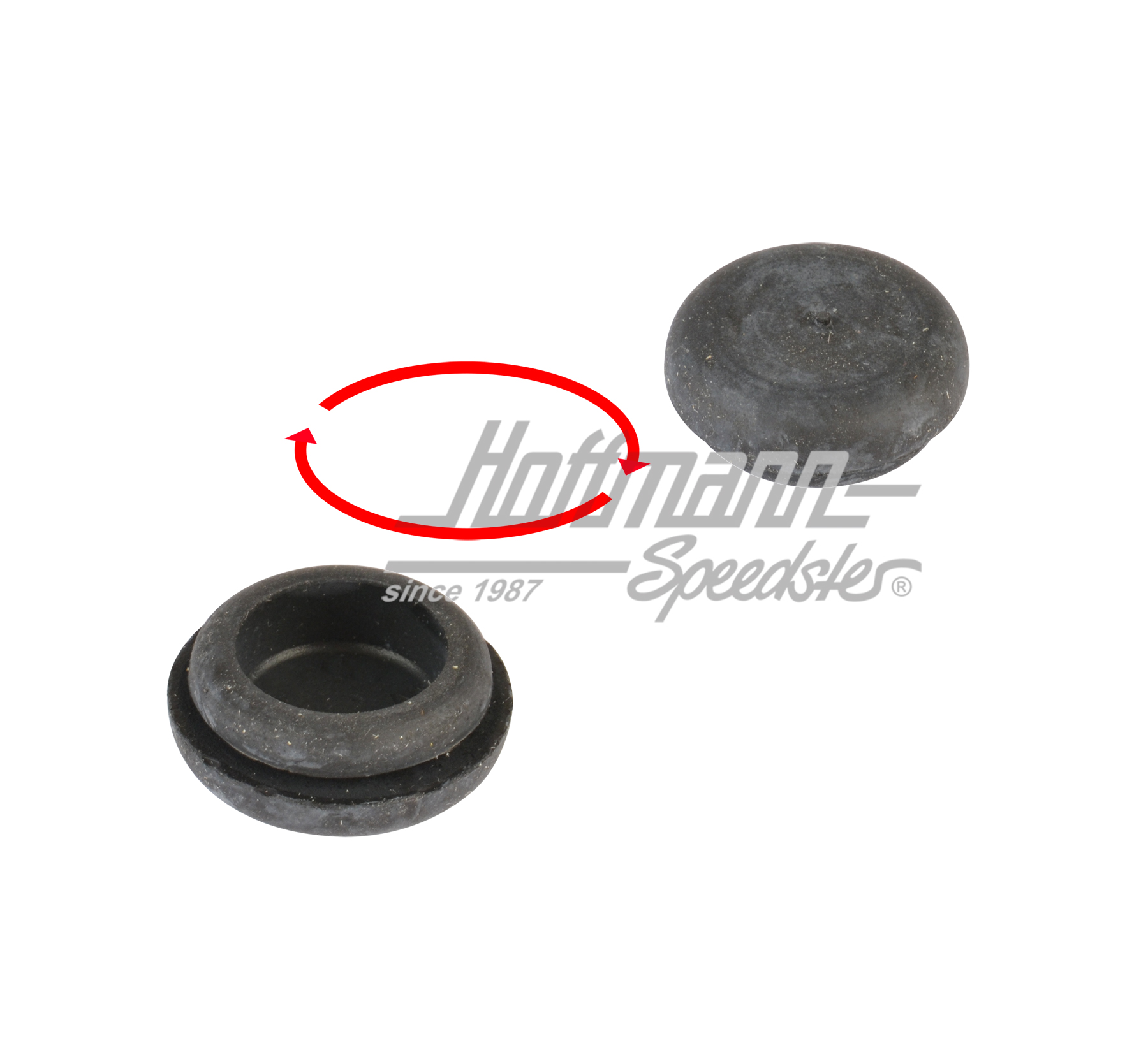
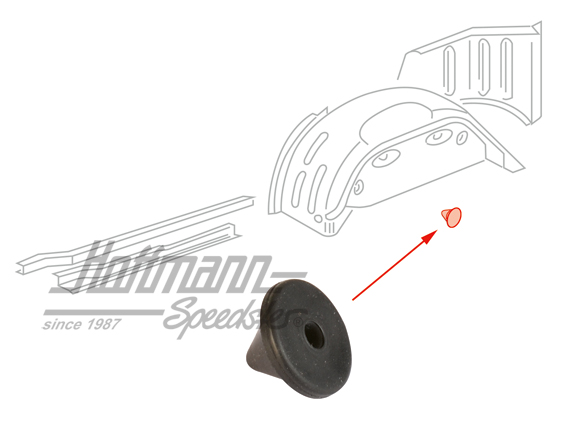
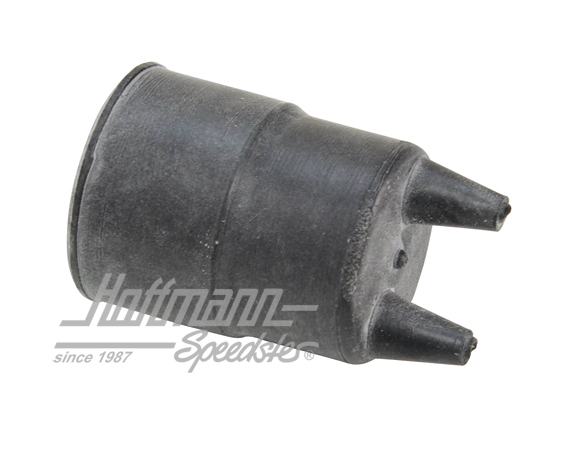
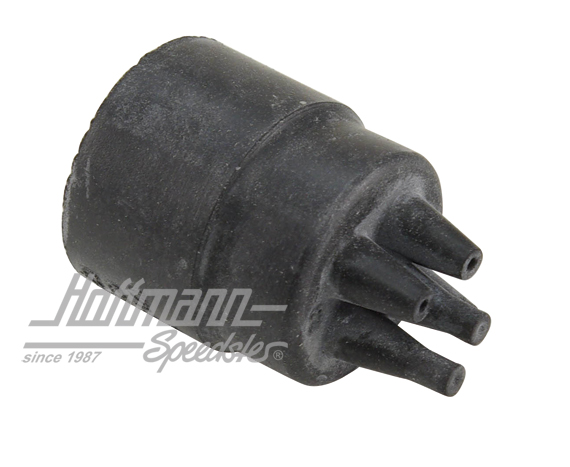
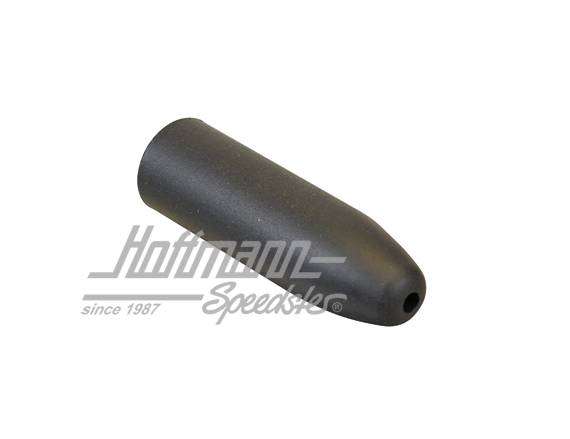
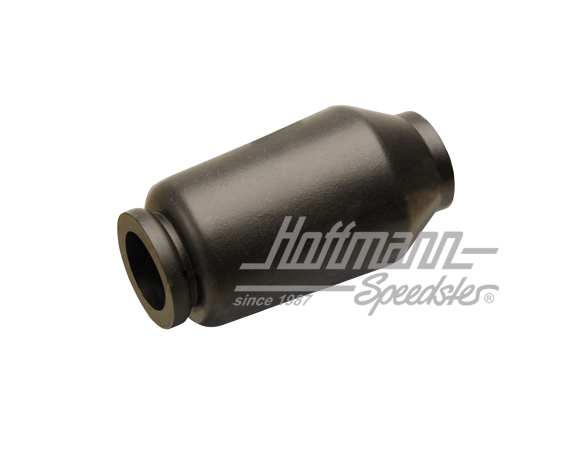
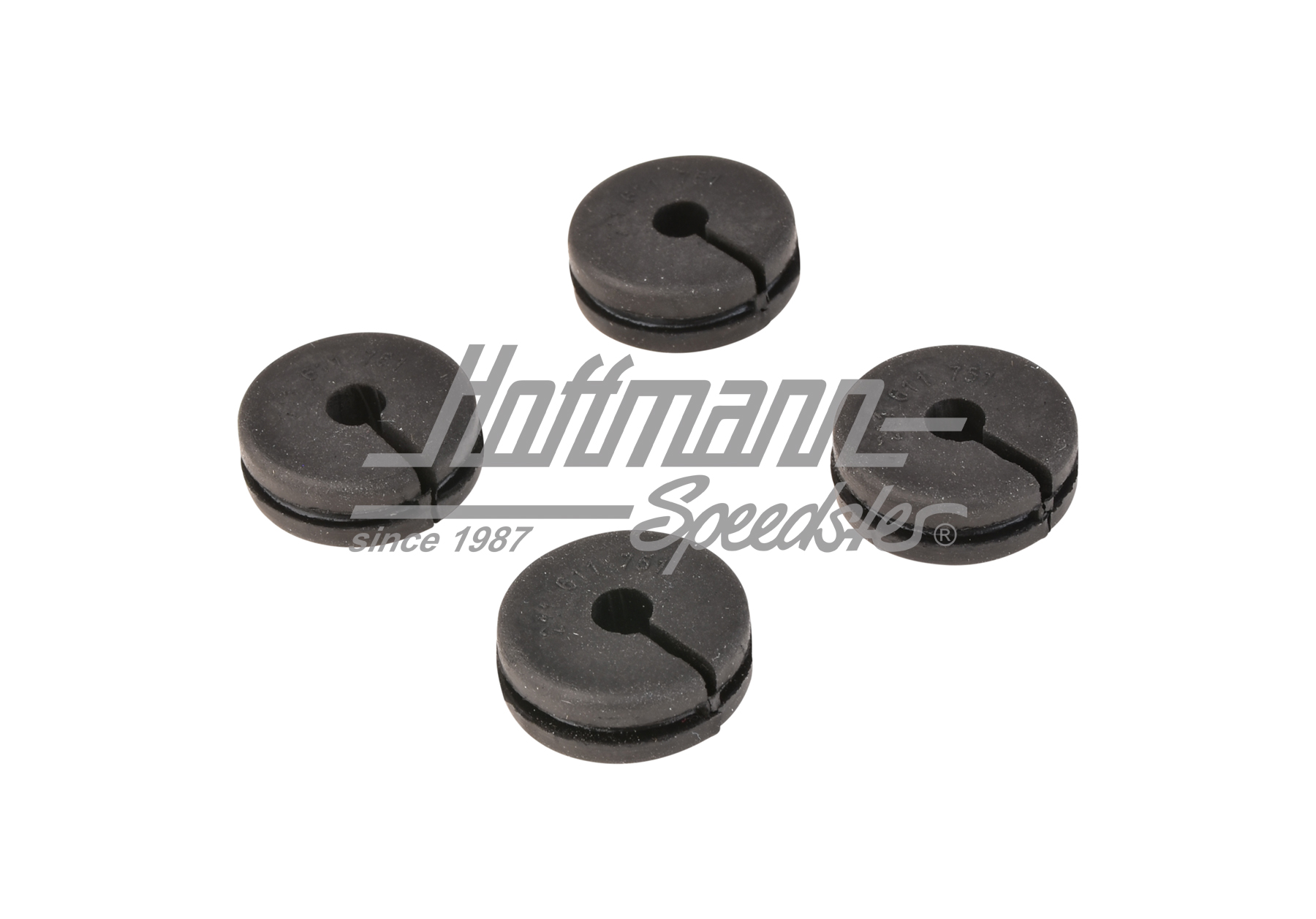
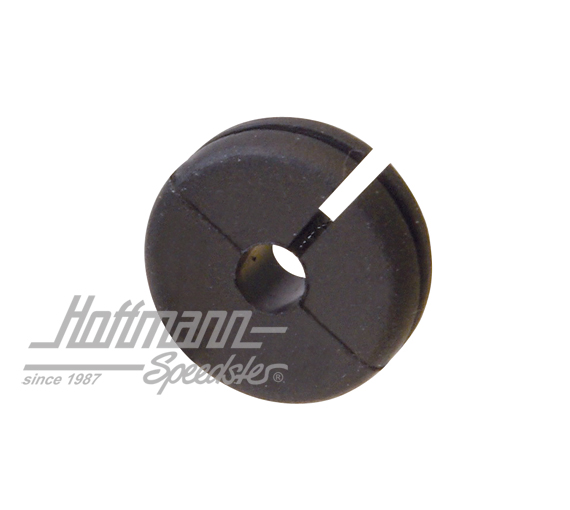
Chassis seals perform many different tasks on your VW Bus T2 around the underbody, bodywork and technical openings. The linked category includes seals for the brake and clutch pedal, wheel housing, brake lines, starter cable as well as clutch and handbrake cables. There are also rubber grommets, plugs for the floor panel and wheel arch, grommets for cables and hoses and sealing elements around the engine compartment. Together, these parts ensure that openings, line passages and transitions are properly closed. Intact rubber seals and passage grommets help protect sensitive lines and openings from dirt, moisture and direct contact with body edges.
Why are chassis seals so important on the VW Bus T2?
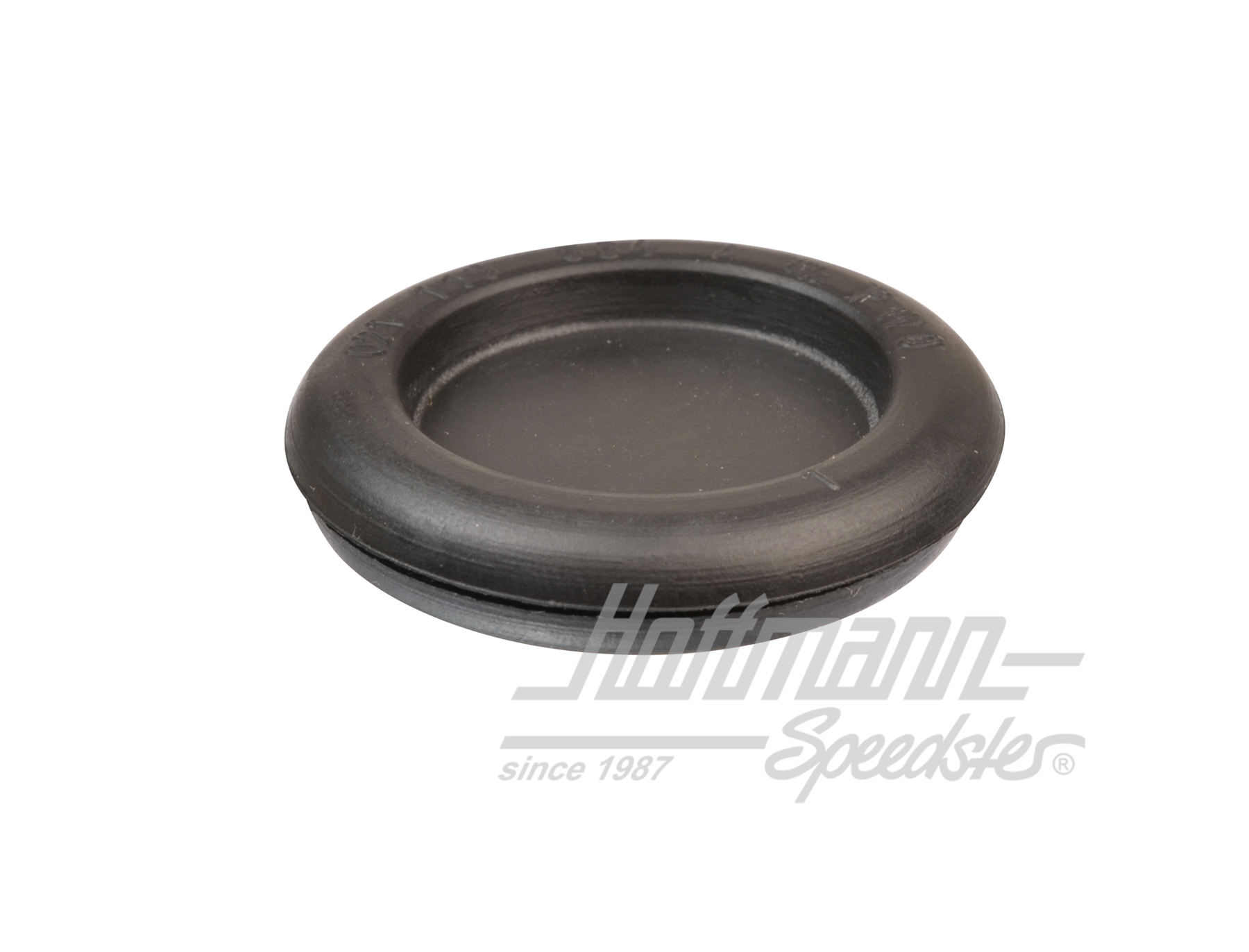
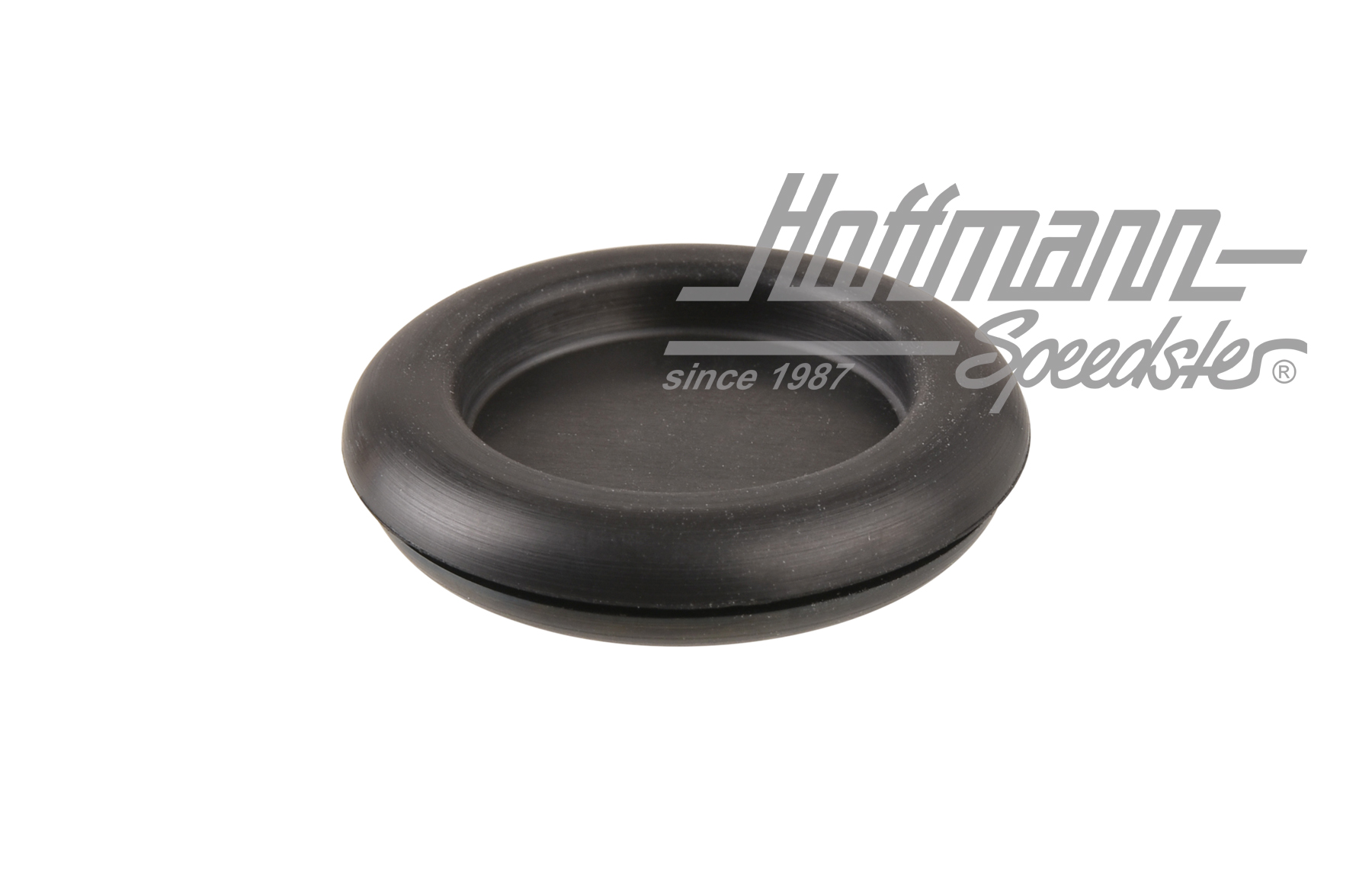
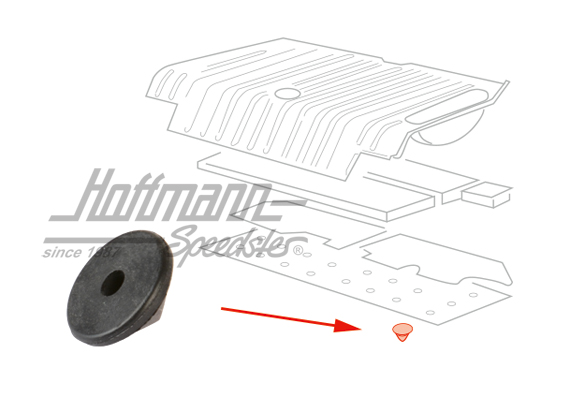
Numerous lines, cables and control cables pass through designated openings in the underbody and bodywork. At precisely these points, chassis seals on the VW Bus T2 create a protective separation between the respective component and the body. Rubber grommets for brake lines, clutch cables, handbrake cables or electrical passages prevent lines from resting directly against sharp-edged openings. Plugs, on the other hand, close unused or structurally intended openings in the floor panel or wheel arch. Other seals protect transitions around the pedals, wheel housing or engine compartment. If these small components become brittle, cracked or are missing, dirt and moisture can reach the corresponding areas more easily and the lines may lose their proper guidance.
When should I inspect or replace chassis seals?
Because many chassis seals are relatively small and sometimes difficult to see, they can easily be overlooked during maintenance. Rubber grommets, plugs and sealing profiles should therefore be inspected whenever work is carried out on brake lines, cables, wiring, the floor panel or adjacent body areas. Typical signs of wear include cracks, porous material, hardened rubber, broken edges or seals that no longer sit securely in their openings. Missing floor plugs or damaged cable and line passages should also be replaced. During restoration work, it is especially worthwhile checking all chassis openings systematically instead of replacing only the most obvious seals.
How are chassis seals replaced?
The installation method depends on the respective design. A floor plug is fitted differently from a rubber grommet for a line or a seal around a pedal or wheel housing. What all versions have in common is that the mounting opening must be clean and the new sealing element correctly positioned.
- Inspect the old chassis seal: Before removal, check for cracks, deformation, broken edges and a loose fit in the respective body opening.
- Clean the opening and passage area: Remove dirt and loose residue and check whether the line, cable or control cable can be routed cleanly through the intended area.
- Install the rubber grommet or plug correctly: Make sure the sealing element sits completely in its intended mounting point and is not twisted, pinched or damaged.
- Check the routing afterwards: Verify that the cable, brake line or control cable passes centrally or without unnecessary tension through the seal and does not rub directly against the body.
Particularly with rubber grommets for cables, lines and control cables, it is important after installation to check that the component remains freely routed without unnecessary stress.
Which chassis seals are suitable for my VW Bus T2?
When selecting a seal, the main consideration is which opening or component needs to be sealed or protected. The category includes seals for pedals, brake lines, cables, control cables, wheel housings, floor panels and engine-compartment areas as well as various plugs and passage grommets. Some components also differ in diameter, position or intended use. You should therefore carefully compare the existing opening, the associated component and the respective product information. With cable and line passages in particular, the correct assignment is important so that the seal sits securely in the body and closely surrounds the component passing through it.