

Ready for immediate shipment, delivery time: 1-3 days, abroad + bulky goods longer delivery time
Ready for immediate shipment, delivery time: 1-3 days, abroad + bulky goods longer delivery time
Ready for immediate shipment, delivery time: 1-3 days, abroad + bulky goods longer delivery time
Ready for immediate shipment, delivery time: 1-3 days, abroad + bulky goods longer delivery time
Ready for immediate shipment, delivery time: 1-3 days, abroad + bulky goods longer delivery time
Ready for immediate shipment, delivery time: 1-3 days, abroad + bulky goods longer delivery time
Ready for immediate shipment, delivery time: 1-3 days, abroad + bulky goods longer delivery time
Ready for immediate shipment, delivery time: 1-3 days, abroad + bulky goods longer delivery time
Ready for immediate shipment, delivery time: 1-3 days, abroad + bulky goods longer delivery time
Ready for immediate shipment, delivery time: 1-3 days, abroad + bulky goods longer delivery time
Ready for immediate shipment, delivery time: 1-3 days, abroad + bulky goods longer delivery time
Ready for immediate shipment, delivery time: 1-3 days, abroad + bulky goods longer delivery time
Ready for immediate shipment, delivery time: 1-3 days, abroad + bulky goods longer delivery time
Ready for immediate shipment, delivery time: 1-3 days, abroad + bulky goods longer delivery time
Ready for immediate shipment, delivery time: 1-3 days, abroad + bulky goods longer delivery time
Ready for immediate shipment, delivery time: 1-3 days, abroad + bulky goods longer delivery time
Ready for immediate shipment, delivery time: 1-3 days, abroad + bulky goods longer delivery time
Ready for immediate shipment, delivery time: 1-3 days, abroad + bulky goods longer delivery time
Ready for immediate shipment, delivery time: 1-3 days, abroad + bulky goods longer delivery time
Ready for immediate shipment, delivery time: 1-3 days, abroad + bulky goods longer delivery time
Ready for immediate shipment, delivery time: 1-3 days, abroad + bulky goods longer delivery time
Ready for immediate shipment, delivery time: 1-3 days, abroad + bulky goods longer delivery time
Ready for immediate shipment, delivery time: 1-3 days, abroad + bulky goods longer delivery time
Ready for immediate shipment, delivery time: 1-3 days, abroad + bulky goods longer delivery time
Repair panels for the rear of a Bus
Rear of the VW Bus T2 – repair panels for the rear body and engine compartment
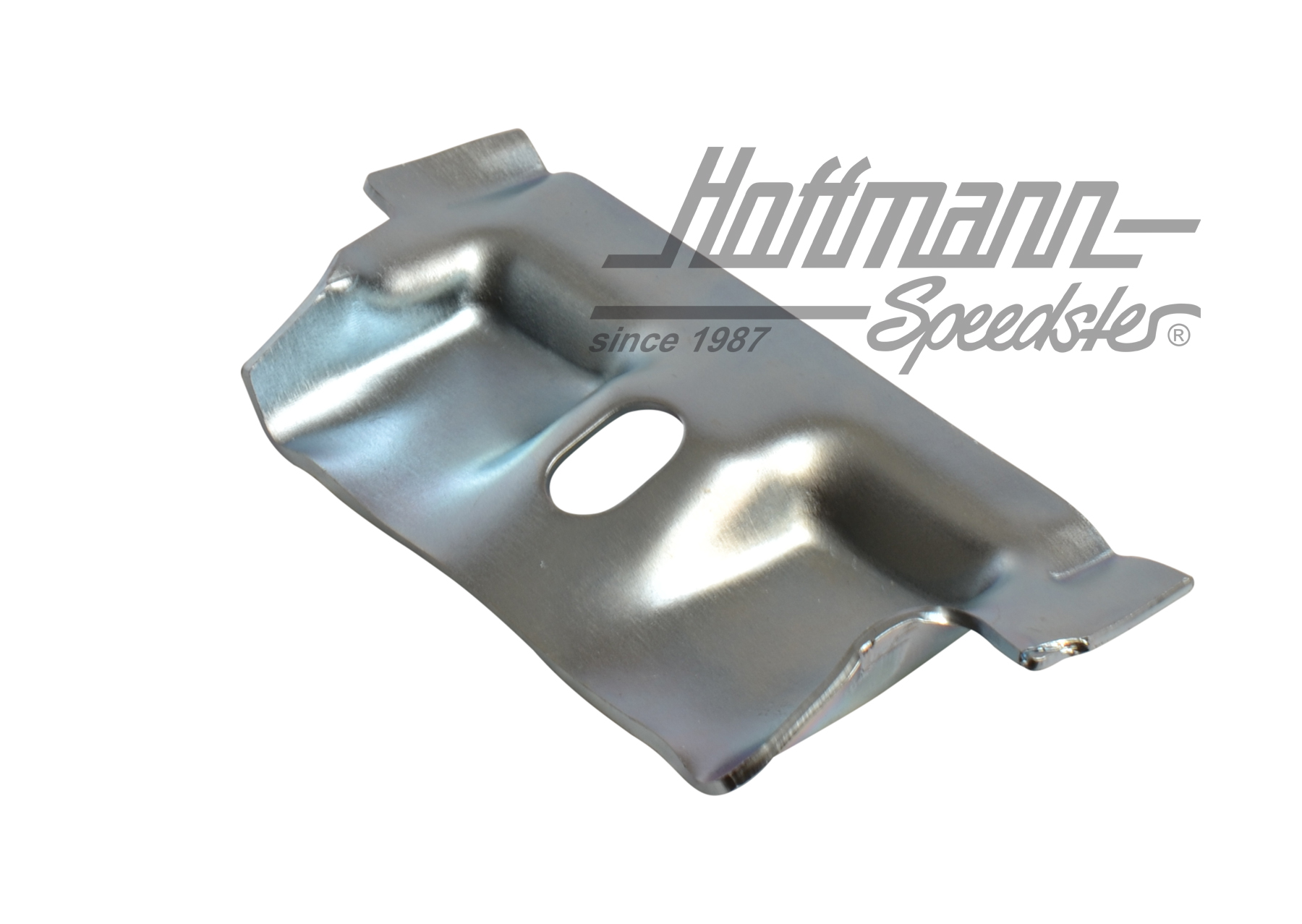
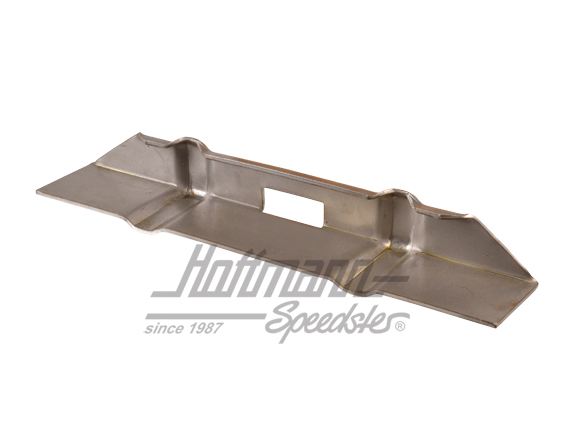
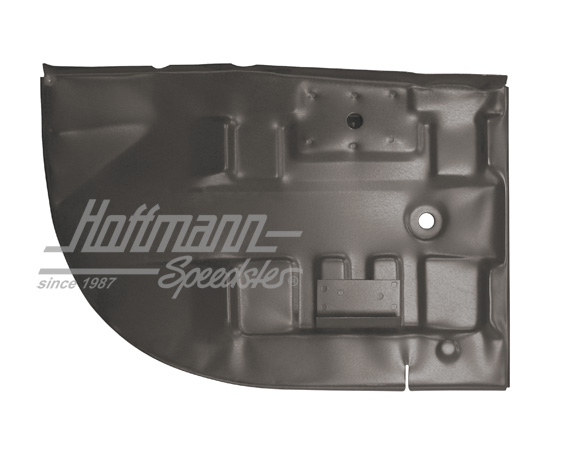
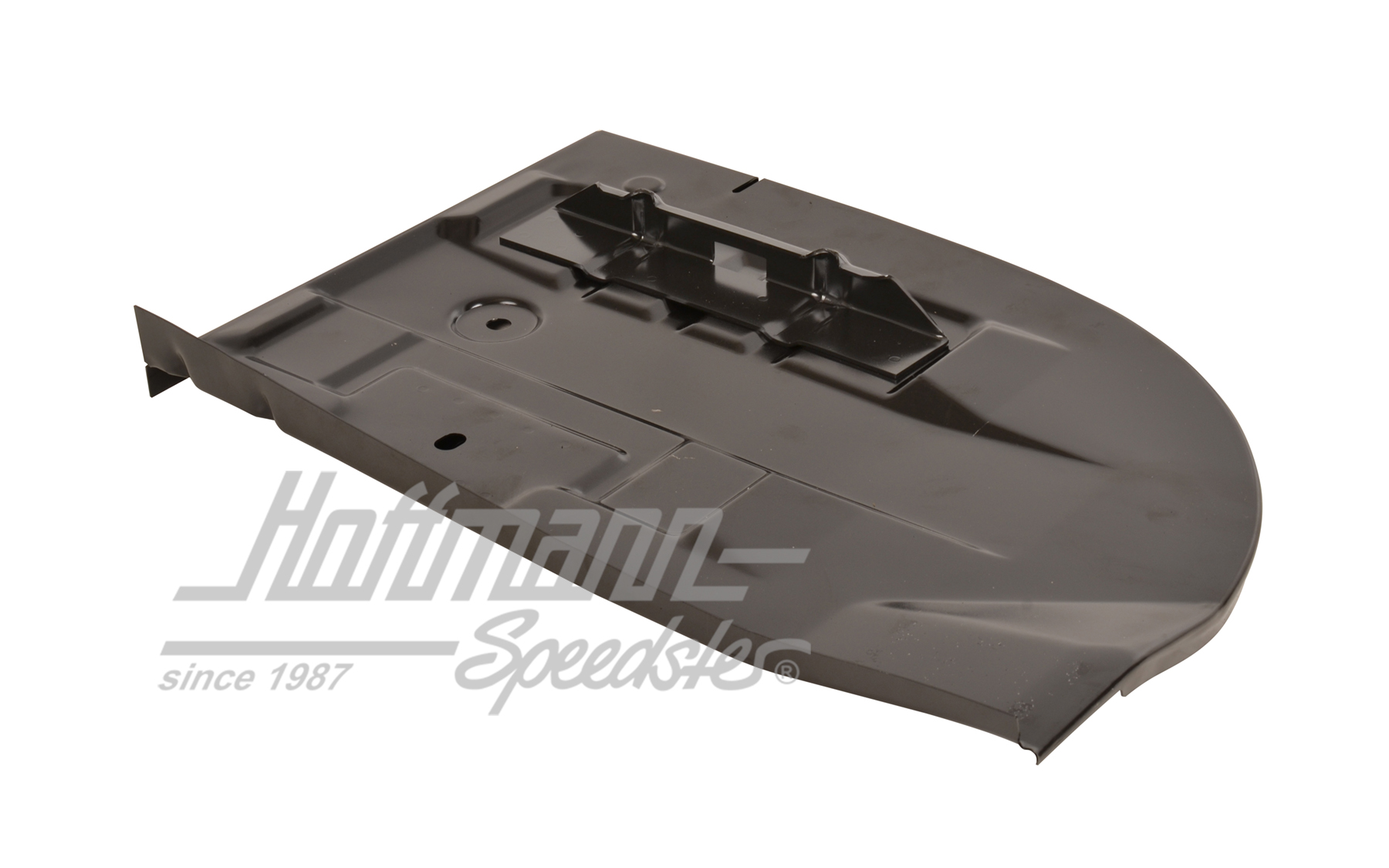
The rear of the VW Bus T2 includes numerous body components around the rear body, engine compartment and rear wheel housings. These include engine-compartment cover panels, rear closing panels, cross panels, corner panels and connecting panels for the rear wheel housings. The battery tray and its mounting also belong to this body area. Some of these sheet-metal parts differ according to vehicle side and production period, making precise identification particularly important during restoration. Corrosion at the rear should not be assessed only superficially: damage to a visible panel can extend into seams, connections or adjacent body structures. A careful assessment is therefore the basis for a professional repair.
Which body areas are located at the rear of the VW Bus T2?
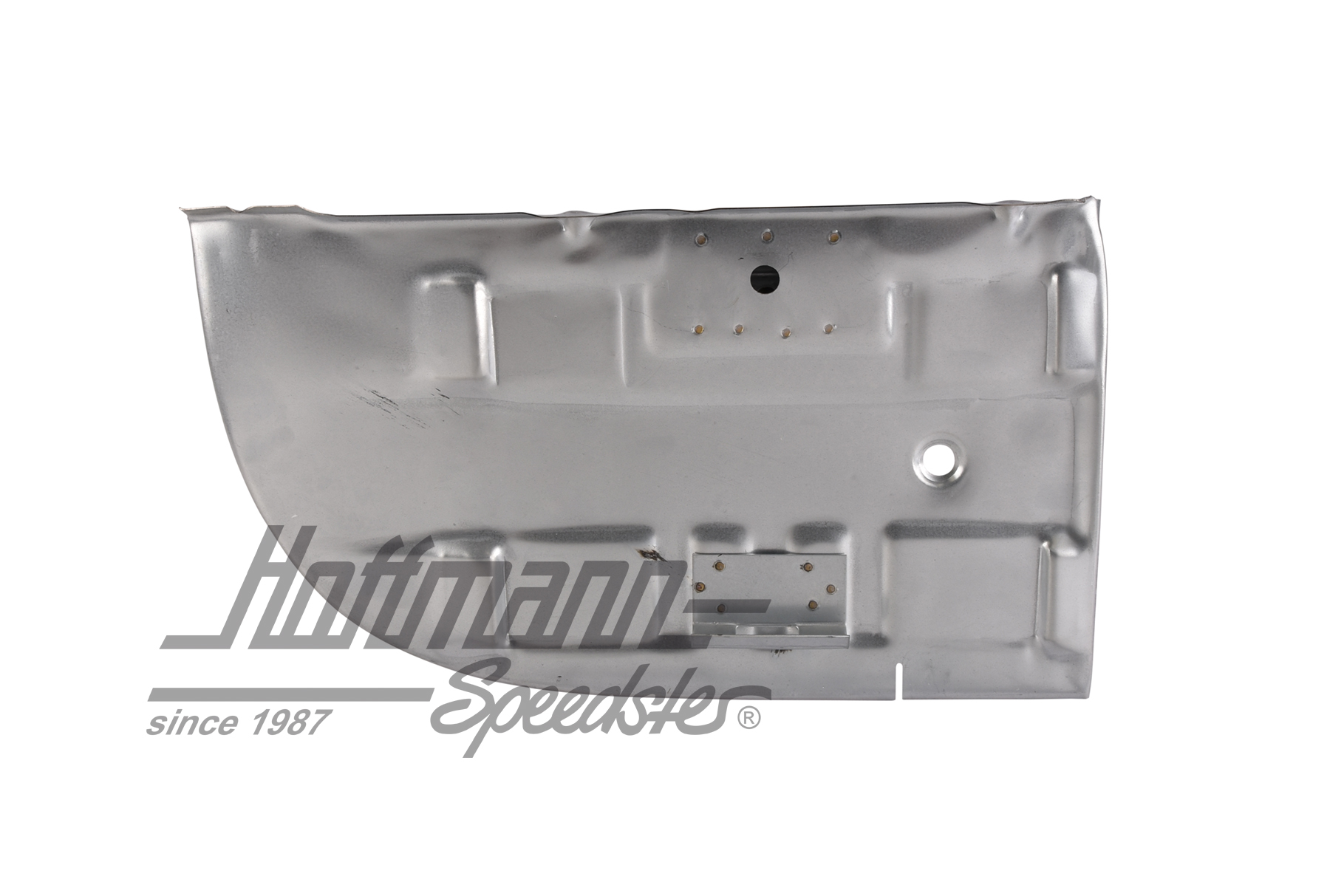
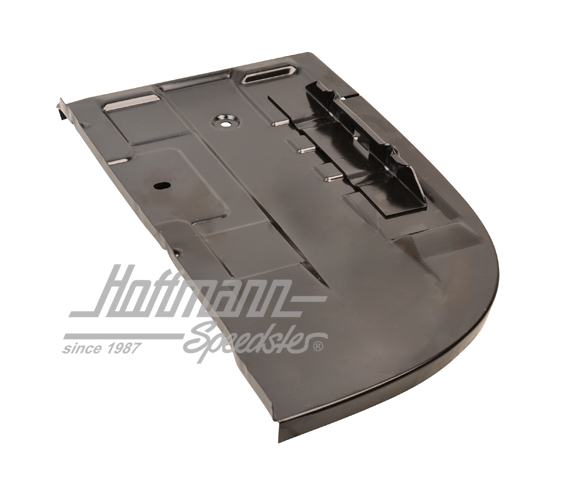
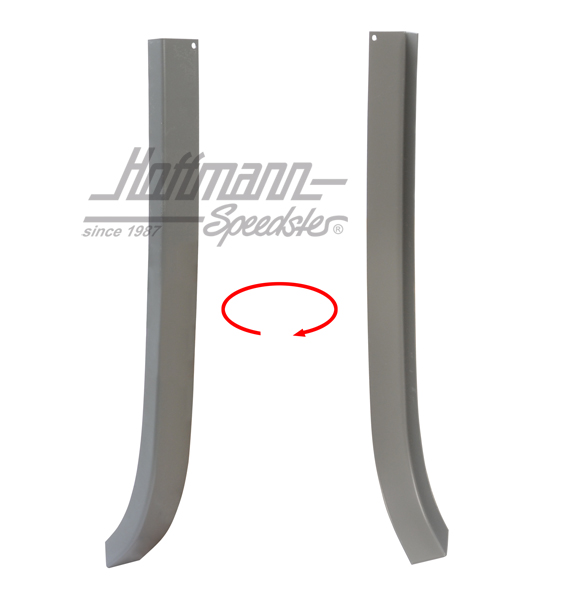
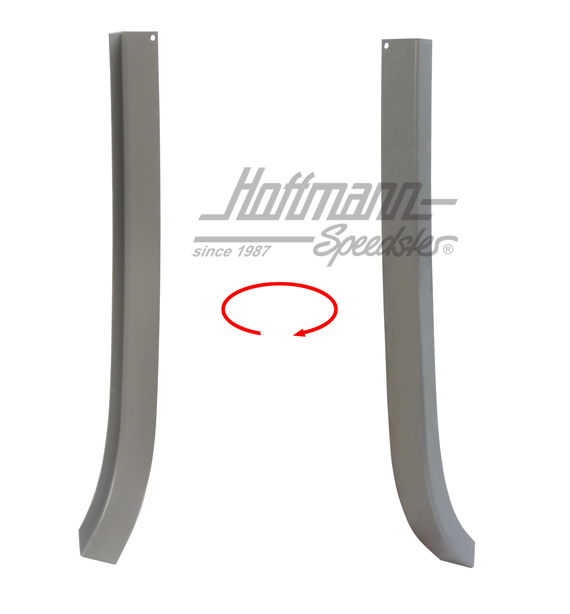
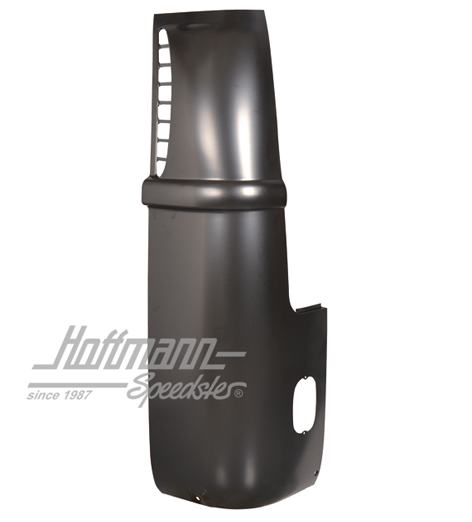
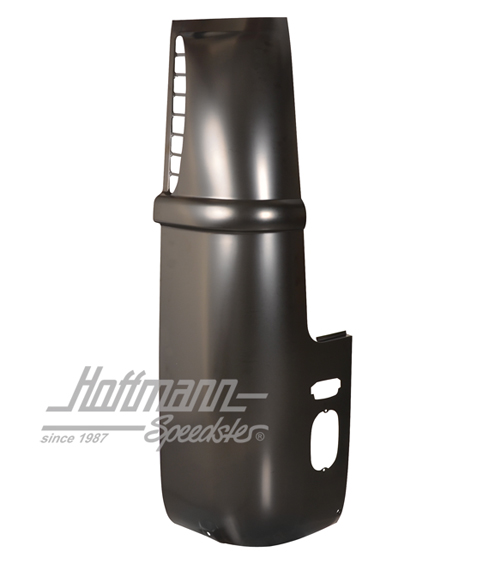
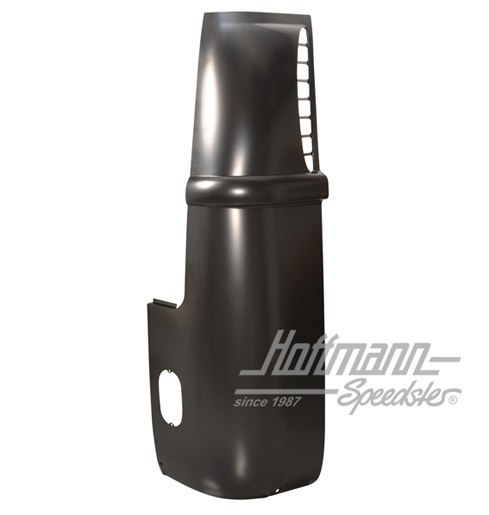
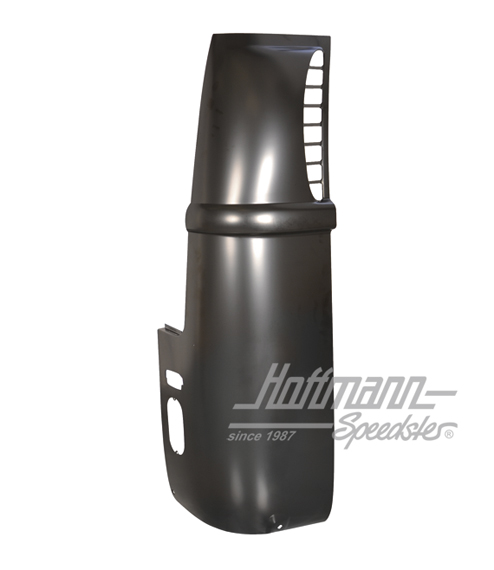
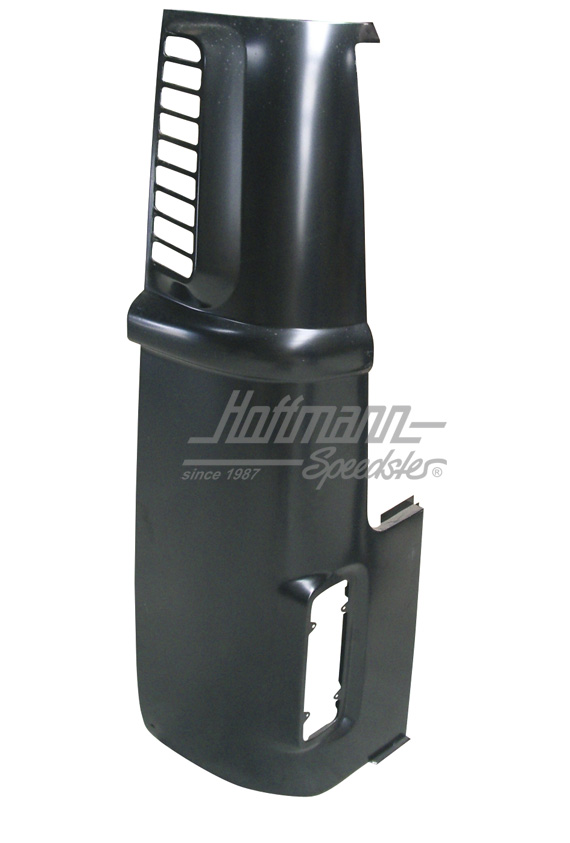
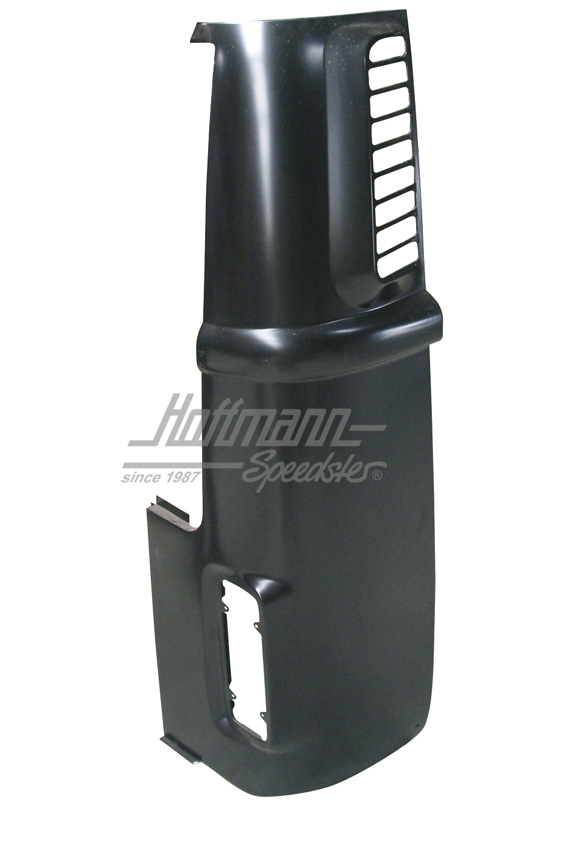
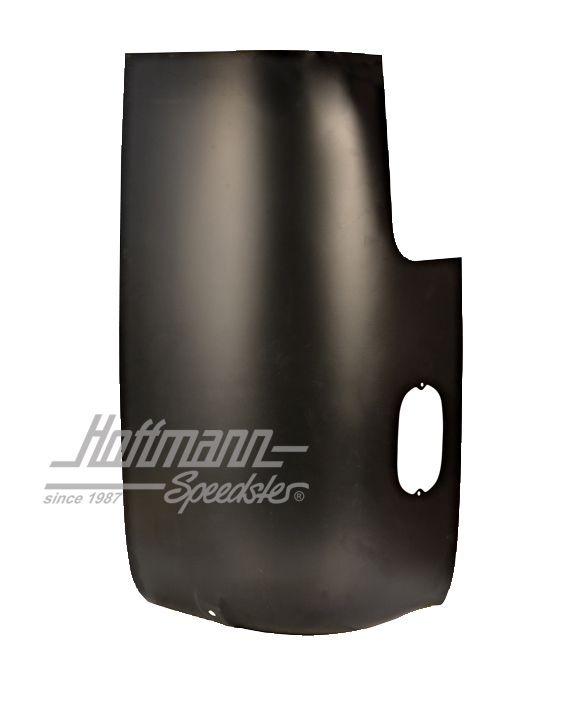
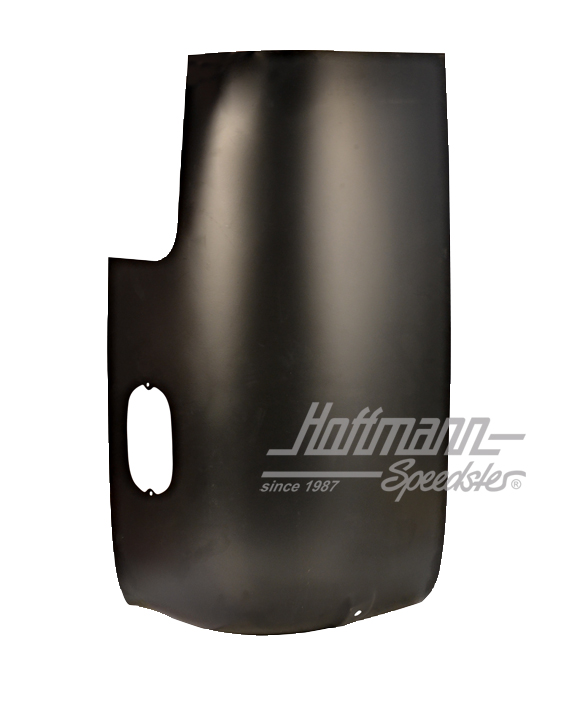
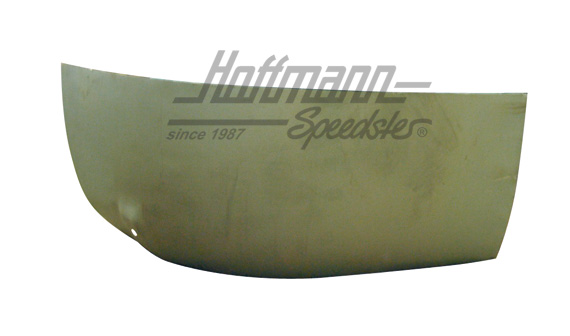
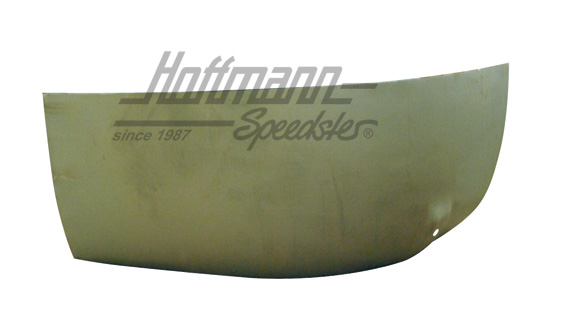
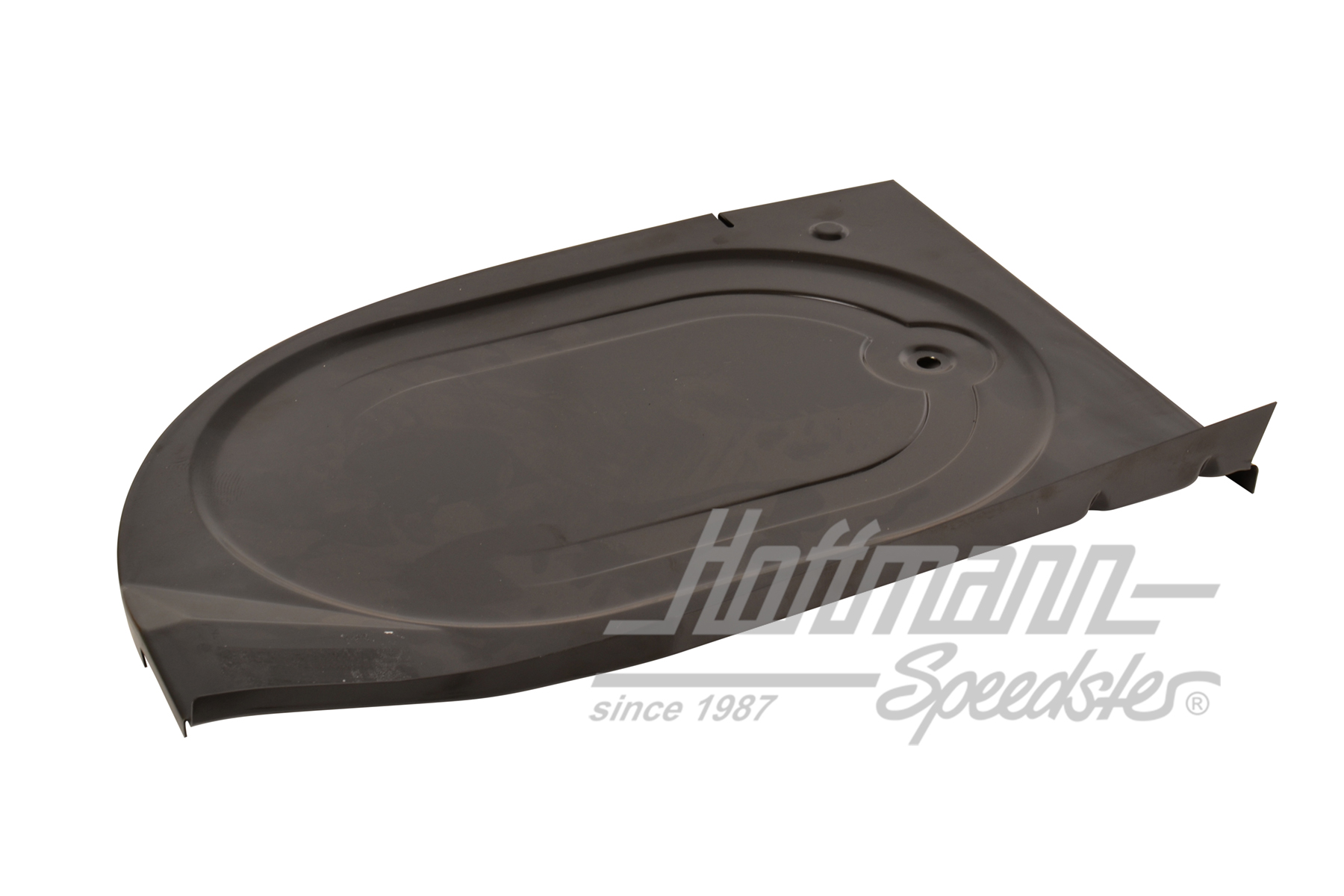
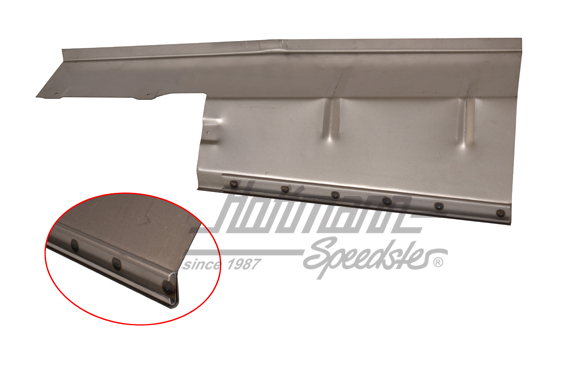
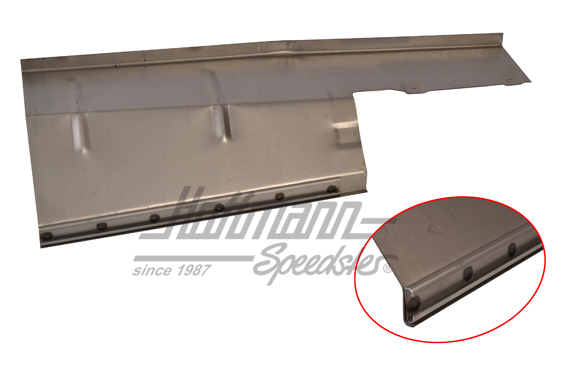
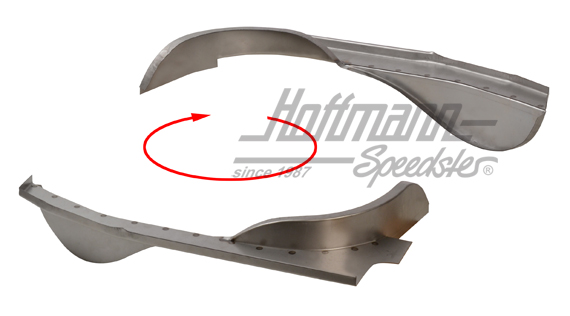
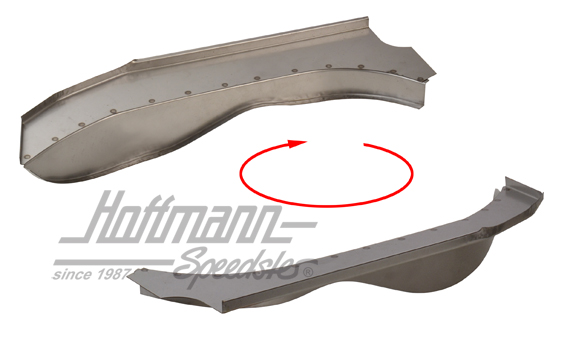
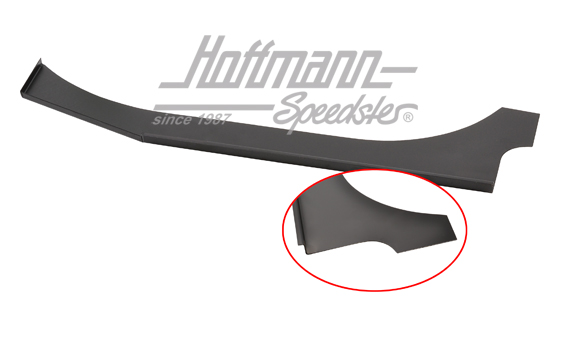
The bodywork at the rear of the T2 consists of various interconnected areas. The category includes, for example, left and right engine-compartment cover panels, rear closing panels, panels and crossmembers beneath the engine lid, and left and right rear corner panels. There are also connecting panels for the rear wheel housings and different battery trays. For several of these repair panels, the category distinguishes explicitly between earlier and later T2 versions or between the left and right sides of the vehicle. When corrosion occurs, the complete affected transition area should therefore always be inspected instead of considering only the externally damaged panel.
When should I inspect or repair the rear of my VW Bus T2?
Visible rust, bubbles beneath paint or coatings, perforation and suspicious older repairs are typical reasons for closer inspection. Transitions between rear body panels, the engine compartment, wheel housings and adjacent body components deserve particular attention. The battery tray should also be checked for corrosion damage. Because the rear consists of several interconnected sheet-metal components, rust can spread along seams, overlaps and concealed connections. Before a damaged panel is cut out, the actual extent of corrosion and the condition of neighbouring structures should therefore be determined. This makes it possible to establish the necessary scope of repair much more accurately.
How are repair panels correctly installed at the rear of a VW Bus T2?
When working on the rear of the T2, new repair panels must be fitted precisely to the existing body structure. Before larger areas are removed, the position, transitions and connections of the existing sheet-metal components should be inspected carefully.
- Fully expose the corrosion: Remove rust, coatings and problematic previous repairs until sound and genuinely damaged sheet metal can be clearly distinguished.
- Inspect adjacent rear areas: Check engine-compartment panels, closing sections, wheel housings, corner panels and the battery tray together according to the affected repair area.
- Align repair panels precisely: Carefully fit new sheet-metal parts before final attachment and check contours, connecting points and transitions to the existing bodywork.
- Restore corrosion protection: After completing the repair, properly protect welded areas, seams, overlaps and accessible cavities against renewed corrosion.
Precise positioning is particularly important with larger rear and corner panels. This allows clean transitions to adjacent body sections and helps avoid unnecessary additional adjustment work.
Which rear repair panels fit my VW Bus T2?
The selection depends on which body area at the rear is damaged and which T2 version is involved. The category includes, for example, engine-compartment cover panels for different production periods and vehicle sides, a rear closing panel for 1967 to 1971, a crossmember beneath the engine lid from 08/1971 and left and right rear corner panels. The battery trays also differ according to production period. Before choosing a part, the installation position, left or right vehicle side, production period and existing connecting areas should therefore be compared carefully. This allows the repair panel to be selected specifically for the relevant rear area of the VW Bus T2.