
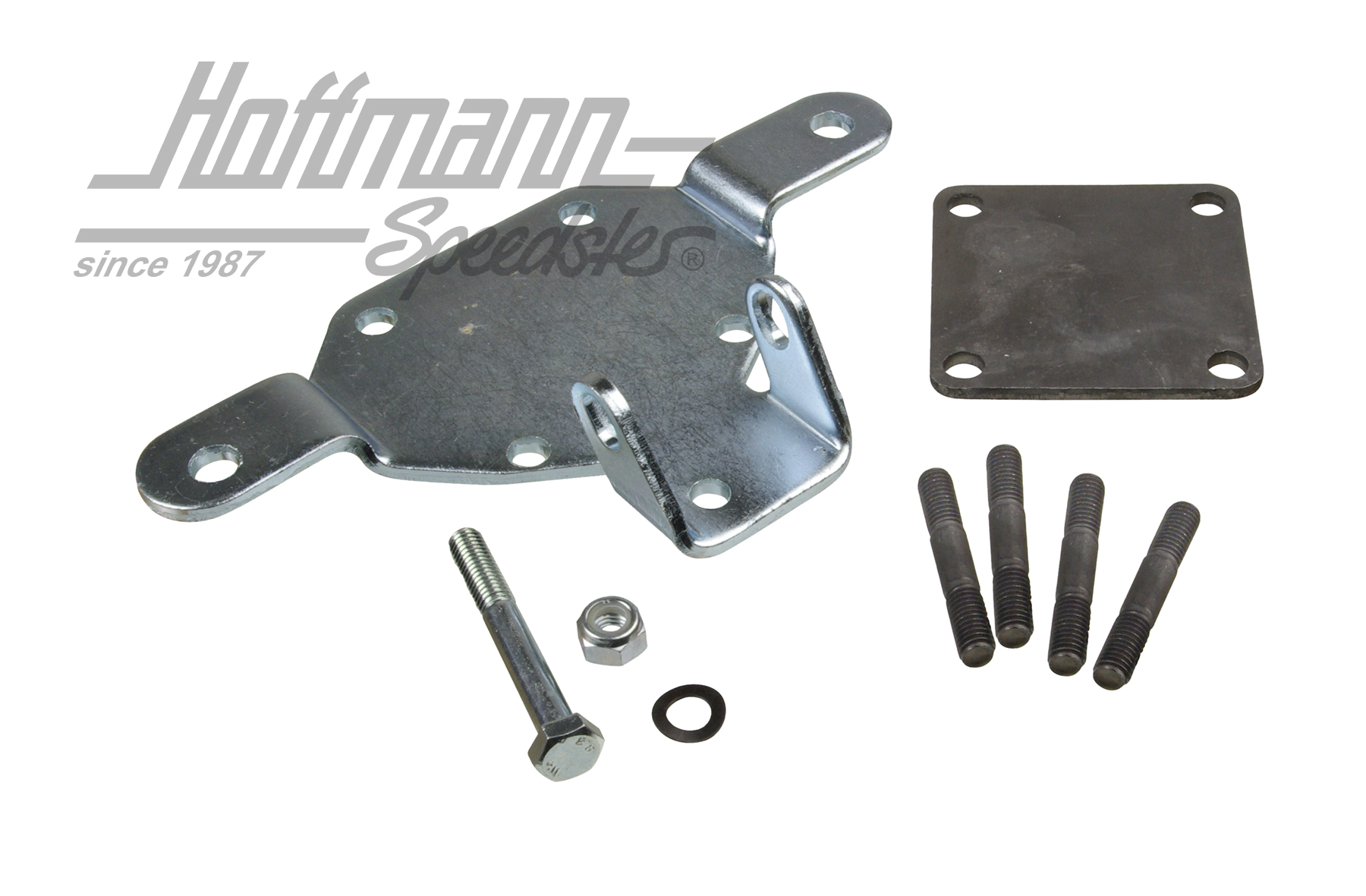
Ready for immediate shipment, delivery time: 1-3 days, abroad + bulky goods longer delivery time
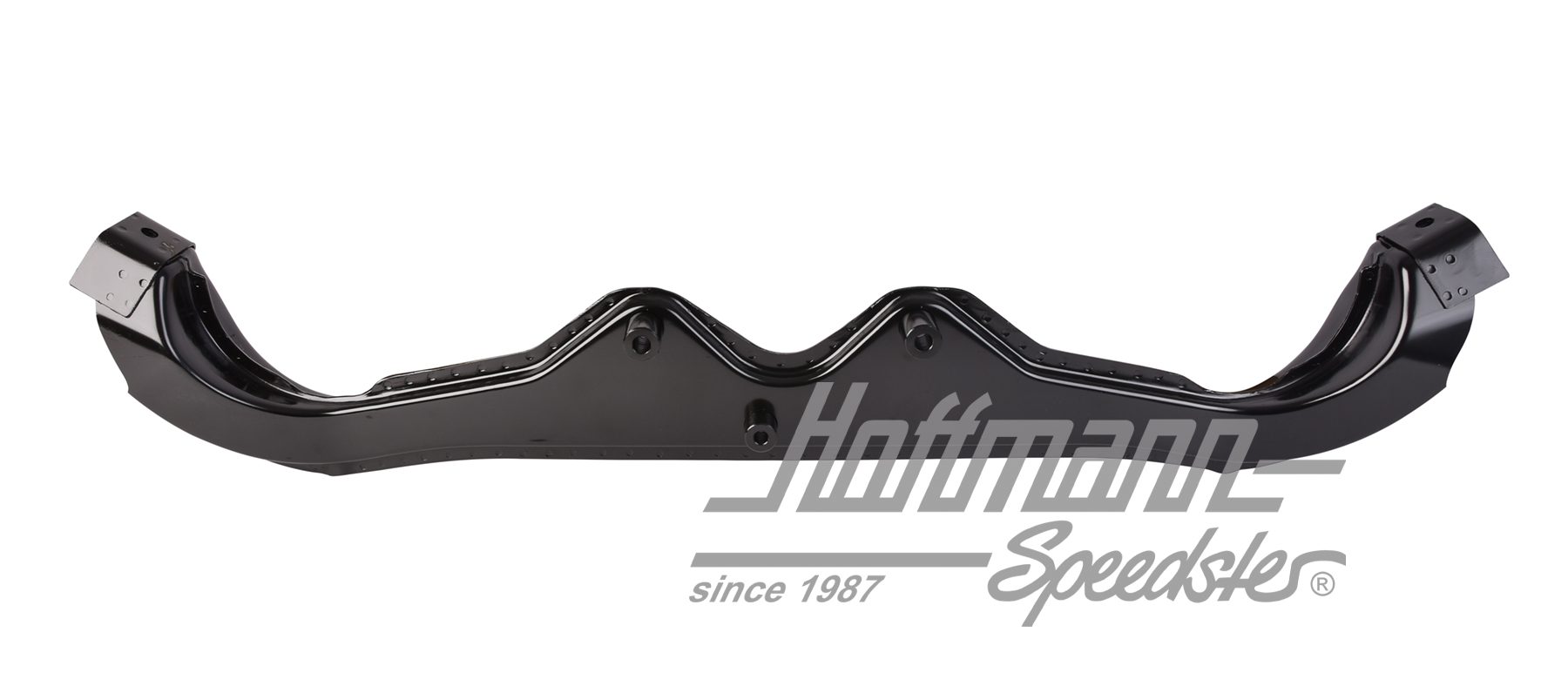
Ready for immediate shipment, delivery time: 1-3 days, abroad + bulky goods longer delivery time
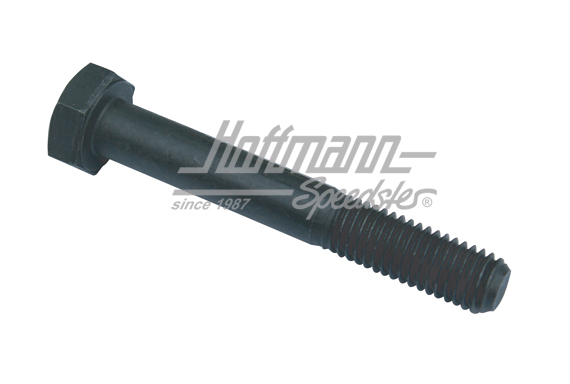
Ready for immediate shipment, delivery time: 1-3 days, abroad + bulky goods longer delivery time
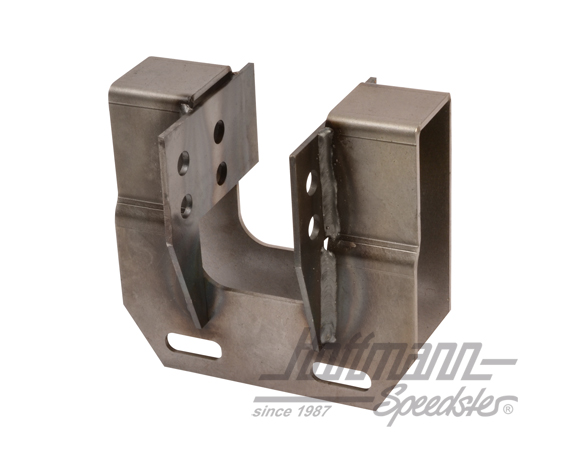
Ready for immediate shipment, delivery time: 1-3 days, abroad + bulky goods longer delivery time
Ready for immediate shipment, delivery time: 1-3 days, abroad + bulky goods longer delivery time
Ready for immediate shipment, delivery time: 1-3 days, abroad + bulky goods longer delivery time
Ready for immediate shipment, delivery time: 1-3 days, abroad + bulky goods longer delivery time
Ready for immediate shipment, delivery time: 1-3 days, abroad + bulky goods longer delivery time
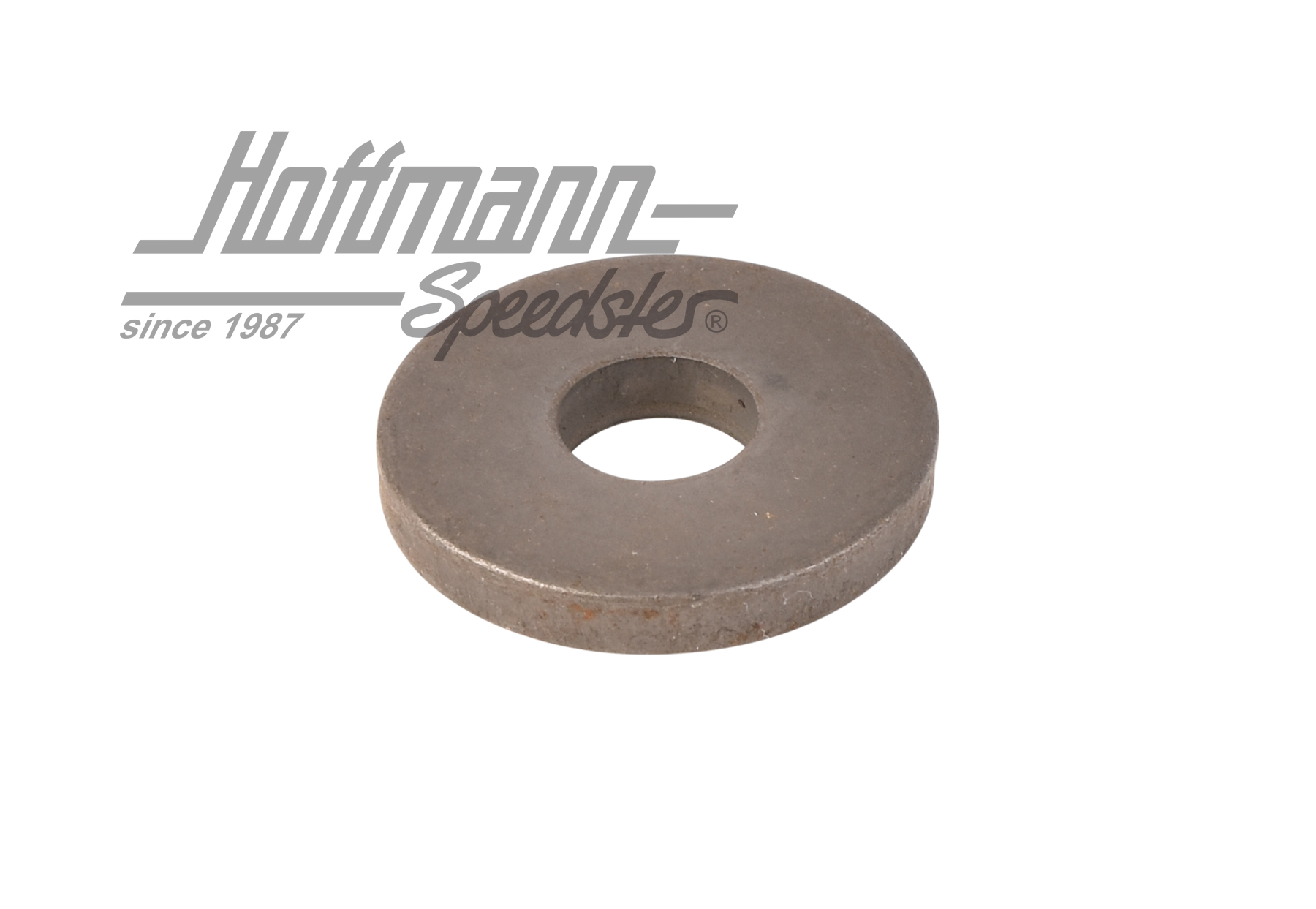
Ready for immediate shipment, delivery time: 1-3 days, abroad + bulky goods longer delivery time
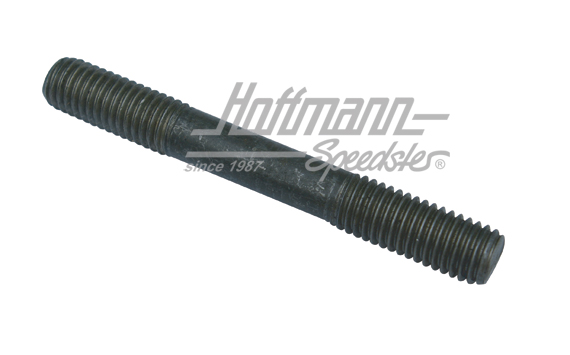
Ready for immediate shipment, delivery time: 1-3 days, abroad + bulky goods longer delivery time
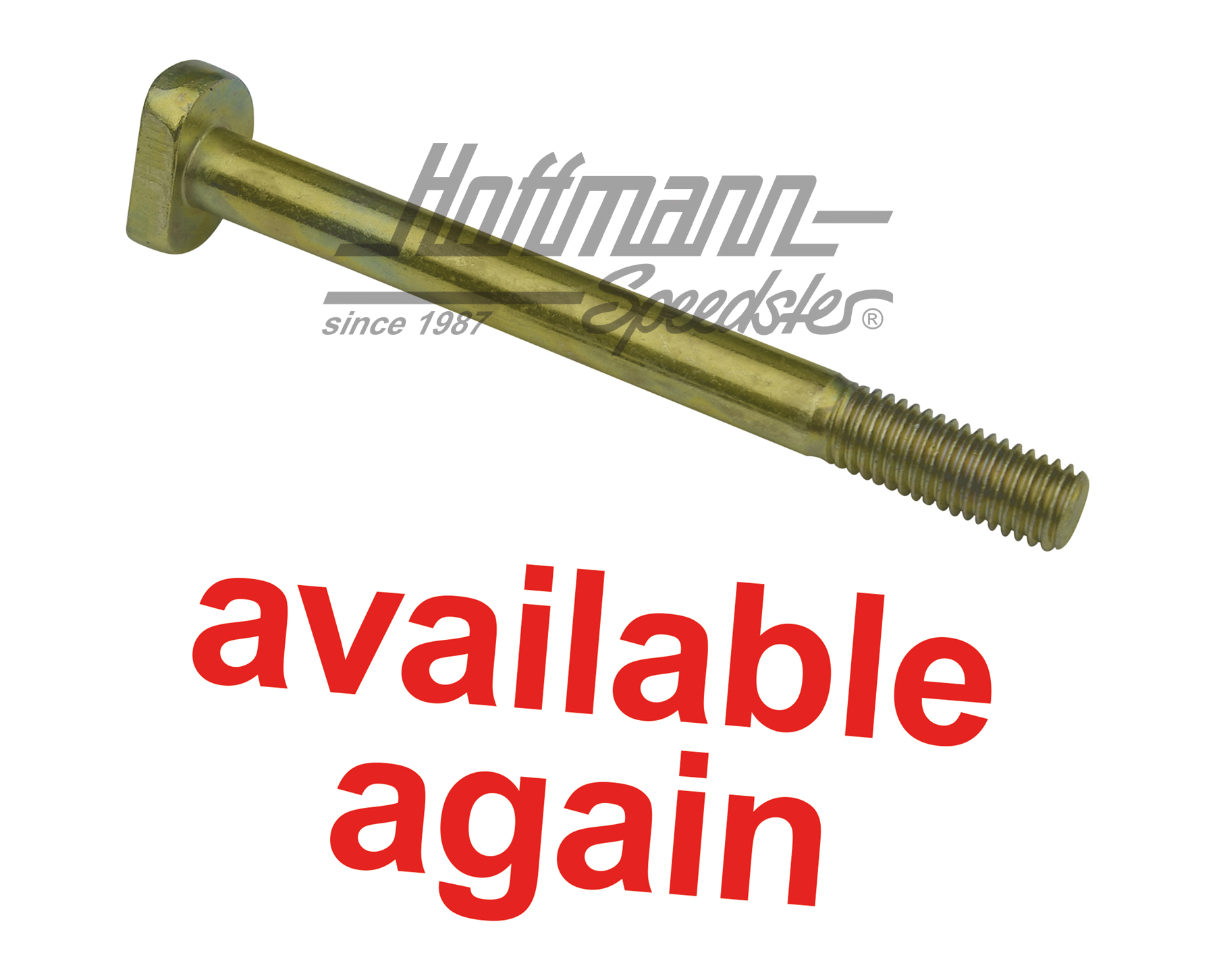
Ready for immediate shipment, delivery time: 1-3 days, abroad + bulky goods longer delivery time
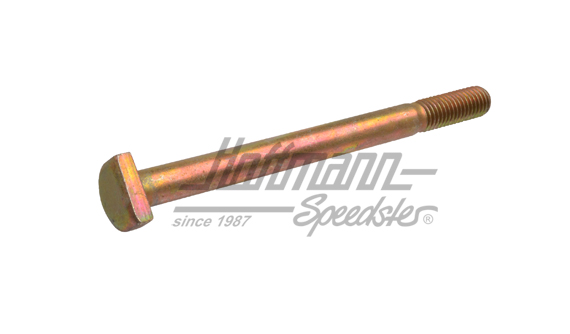
Ready for immediate shipment, delivery time: 1-3 days, abroad + bulky goods longer delivery time
Engine mount for the Bus
Engine Mounts for Your VW Bus T2: Stability for True Classics
The engine mounts are the heart of mechanical smoothness in your VW Bus T2 – and should be a main focus during any thorough maintenance or restoration. Various components surrounding the engine mounts come into play to keep the driving experience smooth, low in vibration, and reliable. Beyond everyday cruising, intact engine mounts ensure that the iconic flat-four engine rests stably within the body shell, protecting both the drivetrain and the chassis. We reveal why engine mounts are an essential topic for every T2 enthusiast, what you should keep in mind during replacement, and how to select the right components for your air-cooled companion.
Why Are Engine Mounts an Important Component of Your VW Bus T2?
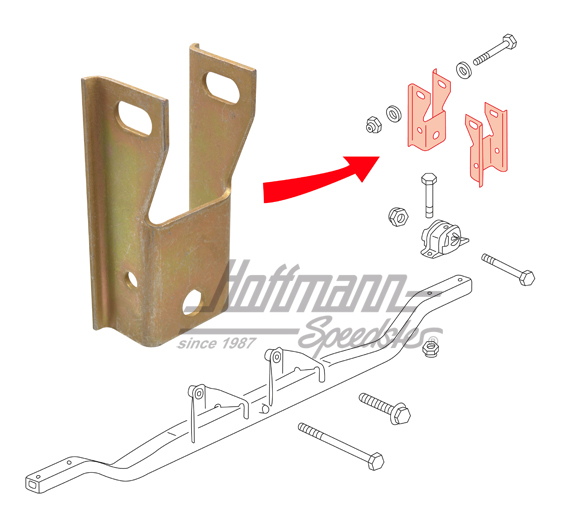
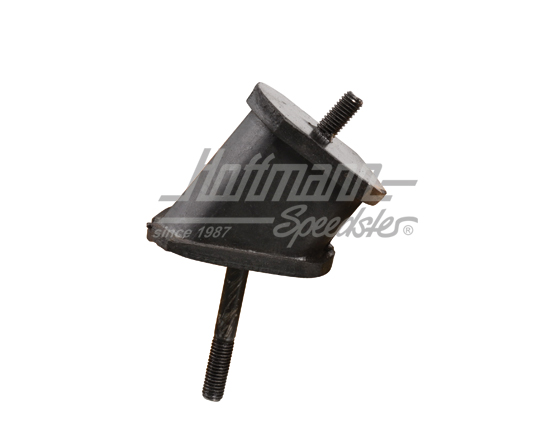
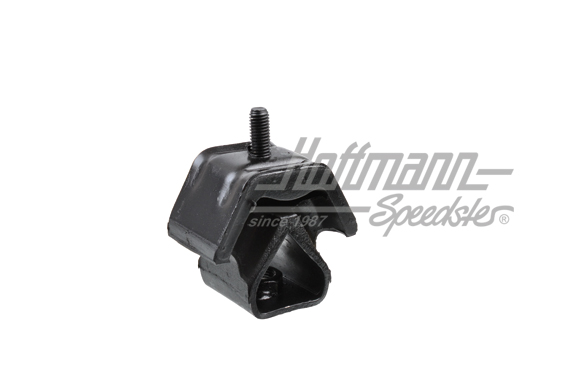
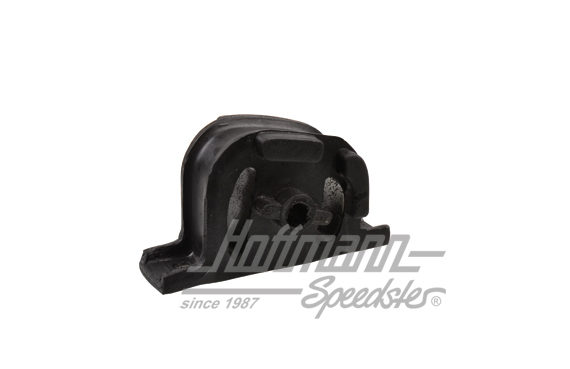
Engine mounts form the supporting foundation for your rear engine. Only when the engine mounts function perfectly can unwanted vibrations be effectively kept away from the passenger cabin, relieving stress on the transmission and drive shafts. Relying on aged original parts is simply not enough. While old metal brackets may still look solid on the surface, the integrated rubber elements harden over the decades, becoming brittle or cracking entirely. Worn engine mounts lead to unpleasant booming noises, rough running, and in the worst-case scenario, consequential damage to the fuel delivery system, exhaust system, and gear linkage.
When Should You Check or Replace Your Engine Mounts?
Before every big summer road trip and after long periods of storage! A regular inspection of the engine compartment or on the lift reveals the condition of the engine mounts quite clearly. Cracks in the rubber, oil-soaked damping blocks, or a visible sagging of the power unit are clear indicators. At the latest, when a distinct jerk is felt during acceleration or load changes, the engine mounts are crying out for attention.
How Do You Successfully Replace Engine Mounts?
These items belong to the basic setup for a successful repair:
- the right engine mounts for your engine specification
- a solid floor jack or engine crane to support the engine
- high-quality hand tools and a torque wrench
- rust penetrant and cleaner for clean mounting surfaces
For most work on the engine mounts, it is recommended to securely support the engine before loosening any bolts. Install the new components tension-free and torque all mounting points according to manufacturer specifications. Please note that improperly installed engine mounts can lead to binding throughout the entire drivetrain. Following a professional replacement, your VW Bus T2 will reward you once again with its familiar smooth running and that unmistakable, relaxed driving experience we cherish so deeply in our classics.
Which Engine Mounts Fit Your Bus?
Every VW Bus T2 has its own history and specific engine specification. To select the ideal engine mounts for your model, you should know the exact engine code and model year of your Bus.
T2a Models: Early versions require specific engine mounts, tailored precisely to the mounting points of the early body variant.
T2b Models: Later model years featured altered engine crossmembers and mounting brackets, which is why appropriately adapted engine mounts are used here.
Performance-Enhanced Engines: If you have treated your flat-four engine to extra horsepower, heavy-duty engine mounts are recommended to handle the higher torque without issue.